Most of what a European trip costs is decided before you leave. The rest is decided on the ground — and that’s where locals know things a visitor has no reason to know. Here are the most useful ones.
First, the basics: four decisions before departure
- Fly midweek. The gap between a Tuesday and a Friday is often a double-digit percentage.
- Pick the shoulder season. In most European countries that means May–June or September–October: fewer people, lower prices, better weather for sightseeing.
- Book directly with the hotel. Skipping the platforms often produces a better rate or an extra perk.
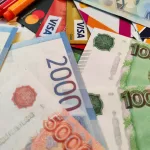
- Check your card. Transaction fees and poor exchange rates quietly eat an amount you’d rather spend on dinners.
And the decision that matters most of all: the region. Basilicata in southern Italy costs a fraction of Venice or Milan, with the same food and fewer crowds.
France
- The bakery instead of a restaurant at lunch. A jambon-beurre with a croissant comes to around €5. Favor independent boulangeries.
- Wine from the shop, not the bar. Drinking in public spaces is permitted, and a decent bottle from a caviste costs €5 to €10. The apéro on the waterfront or in a park is an institution.
- Carpooling. The French use services like BlaBlaCar heavily for intercity travel. Cheaper than the train and far more sociable.
- Free culture. The Fête de la Musique on 21 June fills the country with free concerts; the Nuit des Musées in May opens museums for free at night.
Italy
- Look for the free beaches. Almost half the Italian coastline is privatized, and a beach club on the Riviera can hit €160 a day. Ask at your accommodation — Italians have their own spots.
- Walk. Italians rarely take taxis or Ubers in cities. The historic centres are compact and pedestrian-friendly.
- Watch the ZTLs. Limited traffic zones in historic centres mean automatic fines for a rental car. Learn them before you drive in.
Ireland
- Leap Visitor Card. Unlimited travel on Dublin’s buses, Luas and DART; the 72-hour card costs €16.
- Free museums. Every branch of the National Museum, the Chester Beatty Library and IMMA are free. Heritage Ireland sites are free on the first Wednesday of each month.
- Discount apps. Early Table offers 25% to 50% off restaurant bills at off-peak times.
- Leave the capital. Everything — food, drink, accommodation — is cheaper outside Dublin.
Denmark and Scandinavia
In Europe’s most expensive countries, planning makes the difference:
- Book trains ahead. DSB’s discounted “Orange” tickets are released two months out and are limited in number.
- Free harbor swimming. Copenhagen’s floating pools are open all year with no ticket.
- GreenKayak. A free kayak in exchange for one thing: you collect litter while you paddle.
- The local snack. Ask for a boller med ost at any bakery — a cheap lunch that isn’t always on the menu.
And in Greece, for visitors
Worth knowing on our own turf: don’t order dessert (it’s almost always on the house), tsipouro comes with snacks, unorganized beaches have no sunbed to pay for, and pharmacies run promotions they don’t advertise — just ask.
Want your budget to work properly?
At Penguin Travels & Tours we build packages around what you want to spend, not the other way round — and we tell you which savings are worth making and which will spoil the trip.
Got a budget and want the best trip inside it? Stop by our office in Kalamata (Vasilissis Olgas 4) or call us at +30 27210 80701.