As the season winds down, the word “overtourism” is back in the headlines. This year it’s worth looking at more carefully, because the picture on the ground is more complicated than the viral videos suggest.
The problem isn’t the numbers. It’s the concentration
Cameron Hewitt, who spent around 50 days in Europe during 2026 — Berlin, Munich, Crete, the Peloponnese, Vienna, the Alps, Slovenia — reports something that doesn’t fit the overcrowding narrative: in many places, hoteliers told him about more vacancies than ever, even in peak season. In Greek beach towns and alpine villages alike, demand sits below the post-pandemic boom.
At the same time, a very short list of destinations is suffocating. There aren’t enough extra travelers to explain the chaos; it’s simply that everyone is going to the same ten spots they saw on Instagram.
One example that says it all
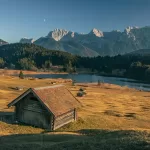
In the Dolomites, the Seceda ridgeline has become a TikTok star. The cable car has risen sharply in price, and for the first time in 2026 advance booking is strongly recommended. At the top, lines of people wait to take the same photo they saw on their phones — while an identical view sits fifty meters to either side. A landowner has set up a €5 tollbooth to walk a few hundred meters along a trail that was free two years ago.
Ten minutes’ walk further down the same mountain, there’s nobody. And within sight of Seceda lies the Seiser Alm: the lifts cost less than half as much, there are many more trails, and they’re empty — even on a sunny July weekend.
The same pattern repeats everywhere: Lake Bled is uncomfortably busy in July, while the rest of Slovenia remains almost untouched.
What it means for the Greek islands
Santorini and Mykonos live their own version of this story — while dozens of islands with equal or better food, sea and history count empty rooms in June and September.
This isn’t a moral dilemma. It’s practical information: the choice that’s good for a place is usually the choice that makes for a better trip.
Five choices that genuinely change something
- Change the season, not the destination. The same place in May or October is cheaper, quieter and often more beautiful. And it keeps local businesses open more months of the year.
- Move a few kilometers. The “alternative” isn’t on the other side of the map. It’s the next island, the next village, the trail alongside.
- Stay longer in fewer places. Fewer transfers, a smaller footprint, more money in the local economy.
- Spend locally. The neighborhood taverna instead of a chain, a local guide, a small guesthouse.
- Don’t travel for the photograph. If your only criterion is a frame you’ve seen a thousand times, you’ll find a thousand people queuing for it with you.
Undertourism is a problem too
It’s worth saying plainly: in many parts of Greece and Europe the issue isn’t too many visitors but too few. Family-run guesthouses, tavernas and local guides depend on a season that keeps getting squeezed. A trip outside peak season, to a place that isn’t trending, is one of the most meaningful contributions a traveler can make.
Looking for the less crowded route?
At Penguin Travels & Tours we work this way every day: we suggest the destination next to the famous one, the week before or after the peak, the guesthouse a local runs.
Want a trip without queues and crowds? Stop by our office in Kalamata (Vasilissis Olgas 4) or call us at +30 27210 80701 — we have suggestions you won’t find in your feed.